


🥤 The “Functional Five”: What to Put in Your Cart
Not all juices are created equal. These five varieties are backed by clinical research for specific health outcomes:
| Juice Type | Key Benefit | Active Compound | Best For… |
| Pomegranate | Heart Health | Polyphenols | Lowering LDL cholesterol and triglycerides. |
| Cranberry | Urinary Health | Proanthocyanidins | Preventing UTIs (not treating active ones). |
| Orange | Immunity & Skin | Vitamin C & Hesperidin | Collagen production and white blood cell protection. |
| Tart Cherry | Sleep & Recovery | Melatonin & Anthocyanins | Improving sleep duration and post-workout muscle pain. |
| Beet | Cognitive Focus | Nitrates | Boosting blood flow to the brain’s prefrontal cortex. |

🧠 Deep Dive: The Science of the Squeeze
1. The Heart Helper: Pomegranate
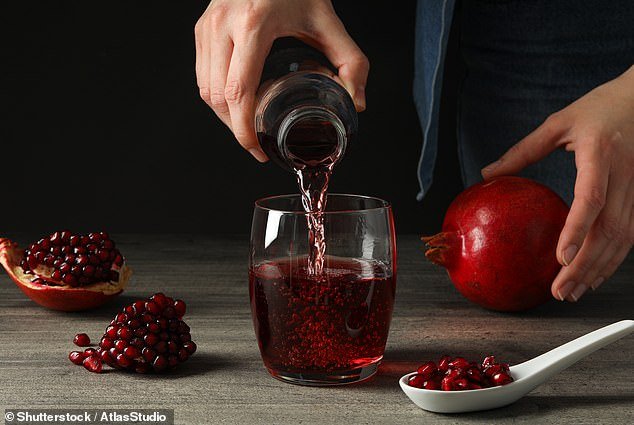
Pomegranate juice is rich in polyphenols that neutralize free radicals before they can turn LDL cholesterol into artery-clogging plaque. A 2023 meta-analysis found it can drop triglycerides by about 12 mg/dL.
-
The Catch: It packs 34g of sugar per cup. Treat it like a supplement (4–8 oz) rather than a thirst-quencher.
2. The Nightcap: Tart Cherry
Tart cherry juice is one of the few dietary sources of melatonin. Studies from 2019 and more recent 2025 data suggest a small glass in the evening can increase sleep time by up to an hour for those with insomnia. It also reduces strength loss in athletes by 22% post-training.
3. The Brain Booster: Beet
Beet juice converts into nitric oxide in the body, which relaxes blood vessels. This increases oxygen-rich blood flow to the frontal lobe—the “CEO” of your brain responsible for decision-making and working memory.
-
Pro Tip: If you can’t stand the earthy taste, mix it with ginger or apple to sharpen the flavor.
4. The UTI Shield: Cranberry
Recent research published in May 2026 found that cranberry juice helped suppress mutations in 72% of tested E. coli strains. It prevents bacteria from sticking to the urinary tract walls, though dietitians stress it cannot cure an existing infection.

🚩 Red Flags: Juices to Leave on the Shelf
Dietitians warn that “juice cocktails” are often just high-fructose corn syrup with a fruit-themed label.
-
Avoid “Cocktails” or “Blends”: These are usually “flavored sugar water” with minimal actual juice.
-
Check for “Added Sugars”: Even 100% juice is high in natural sugar; added sweeteners make it metabolically disruptive.
-
The Fiber Gap: Because juice lacks fiber, it can cause rapid blood sugar spikes.
-
Pulp is Power: When buying orange juice, go for the version “with bits.” The pulp contains higher levels of flavonoids and a touch of helpful fiber.

💡 The “Golden Rule” of Juicing
Treat juice as a functional addition to your diet, not a primary hydration source. Stick to a standard 8-ounce serving (or 4 ounces for higher-sugar varieties like pomegranate) and always pair it with a source of protein or healthy fat to stabilize your blood sugar response.
Are you looking to optimize your morning routine for better focus, or are you more interested in the athletic recovery benefits of these functional drinks?

