


🧠 The “Thermostat” Reset: How Fezolinetant Works
Unlike traditional HRT, which “tops up” falling estrogen and progesterone levels, fezolinetant (brand name Veozah) ignores the ovaries and goes straight to the brain’s hypothalamus.
-
The Mechanism: It blocks a chemical called neurokinin B from binding to receptors that regulate body temperature.
-
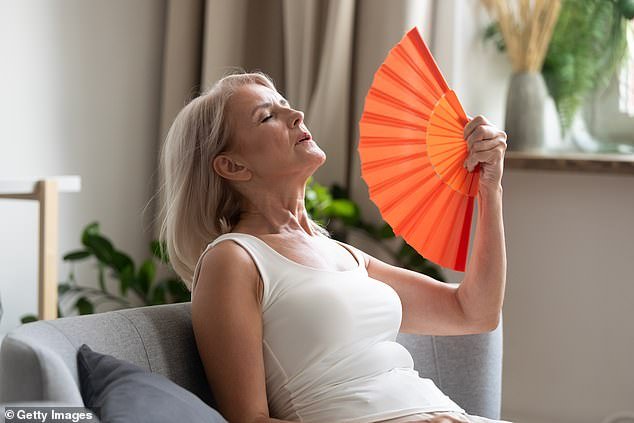
The Result: It prevents blood vessels from widening unnecessarily, stopping the sudden temperature spikes that cause hot flushes and night sweats.
-
The Speed: Clinical trials showed many women felt relief within just one to seven days of starting the once-a-day tablet.

📊 Comparing the New Non-Hormonal Contenders
While fezolinetant is the first to be approved on the NHS, a second drug, elinzanetant, is close behind and may offer broader benefits.
| Feature | Fezolinetant (Veozah) | Elinzanetant (Lynkuet) |
| Status | Approved on NHS (England) | Awaiting NICE decision |
| Primary Target | Hot flushes & Night sweats | Hot flushes & Sleep quality |
| Mechanism | Blocks Neurokinin B receptors | Blocks Neurokinin B + Cortex receptors |
| Cancer Patients | Pending (NHS access likely 2027) | Already tested and effective in cancer trials |
| Key Side Effects | Liver damage (rare), insomnia, back pain | Headaches, fatigue, abdominal pain |

⚠️ The Pros and Cons: A “Bespoke” Choice
This new class of medication is “game-changing,” but it isn’t a universal cure-all. It is a targeted tool designed for specific needs.
The Benefits:
-
Safe for High-Risk Groups: Ideal for women at risk of blood clots, deep vein thrombosis (DVT), or those with certain heart conditions who cannot safely take estrogen.
-
Fast-Acting: Offers a “switch-like” cessation of flushes compared to the weeks or months HRT can take to stabilize.
The Limitations:
-
No Bone Protection: Unlike HRT, these drugs do not protect against osteoporosis or cardiovascular disease.
-
Limited Symptom Coverage: They do not address muscle weakness, mood swings, or vaginal dryness.
-
The Breast Cancer Gap: Currently, the NHS does not prescribe fezolinetant to breast cancer patients, as final safety trials for this specific group won’t be completed until mid-2027.
💡 Alternative Strategies: The Non-Drug Route
If you aren’t ready for a pharmaceutical intervention, Professor Waljit Dhillo and other experts emphasize that lifestyle and behavioral changes have robust data backing their effectiveness:
-
CBT (Cognitive Behavioural Therapy): Proven to change how the brain perceives and reacts to heat spikes, reducing the distress they cause.
-
Trigger Management: Avoiding capsaicin (found in spicy foods), caffeine, and alcohol, all of which are known to trigger the nerve pathways involved in flushing.
-
The “Last Resort” Meds: While doctors sometimes prescribe clonidine or antidepressants for flushes, experts warn there is little evidence they work better than a placebo for menopause symptoms specifically.
Are you looking for a non-hormonal option because of a specific medical contraindication, or are you primarily concerned about the long-term risks associated with traditional HRT?
