
Subscribe to Updates

    Get the latest creative news from FooBar about art, design and business.

    What's Hot

    Schoolgirl, nine, is diagnosed with aggressive cancer after complaining to her parents of a blocked nose

    America’s hidden HPV vaccine deserts revealed: See how YOUR state ranks for rates of the cancer-preventing shot

    America’s deadly heart attack map: The US states where you’re at highest risk, and where you’re most likely to avoid one, revealed in new data

    Facebook Twitter Instagram
    Facebook Twitter Instagram
    HealthOptiBodyHealthOptiBody
    Subscribe
    • Home
    • Healthy News

      As Ranks of Uninsured Grow, Minnesota’s Hospitals Are Among Least Charitable in Nation

      The Make America Healthy Again Movement Comes for Hospital Food

      Listen: A Federal Agency Is After Workers’ Health Data, and Critics Are Alarmed

      In California Governor Race, Single-Payer Is a Litmus Test. There’s Still No Way To Pay for It.

      That Discount at the Pharmacy Counter May Pack Hidden Costs

    • Healthy Food
    • Lifestyle
    • Disease
    • Nutrition
    • healthy living
    HealthOptiBodyHealthOptiBody
    Home»healthy living»Optimal resting heart rate 2026 | Bradycardia stroke risk | Imperial College heart study
    healthy living

    Optimal resting heart rate 2026 | Bradycardia stroke risk | Imperial College heart study

    The Deadly "U-Shaped" Curve: Why 60-69 BPM is the Golden Rate for Lowering Stroke Risk
    Hill CastleBy Hill CastleUpdated:05/06/2026No Comments3 Mins Read
    Facebook Twitter Pinterest LinkedIn Tumblr Reddit WhatsApp Email
    Share
    Facebook Twitter LinkedIn Pinterest WhatsApp Email


    📊 The Stroke Risk Spectrum: A “U-Shaped” Danger

    In the largest population-level study of its kind, researchers analyzed data from 460,000 UK Biobank participants over a 14-year period. After adjusting for age, sex, and pre-existing conditions like diabetes and high blood pressure, a clear “U-shaped” risk curve emerged.

    Resting Heart Rate (BPM) Stroke Risk Level Statistical Increase
    Below 50 BPM High Risk 25% Increase
    50 – 59 BPM Moderate Risk Slight Increase
    60 – 69 BPM Lowest Risk Optimal Baseline
    70 – 89 BPM Moderate Risk Gradual Increase
    90+ BPM Very High Risk 45% Increase
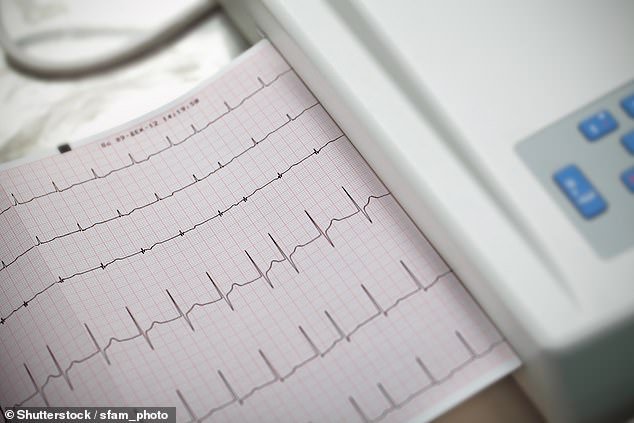
    Resting heart rate refers to how many times your heart beats per minute - while you're sitting or lying down

    🧠 The “Why”: Two Different Biological Threats

    The study identifies that the mechanism of vascular injury differs entirely depending on which end of the scale your resting pulse falls.

    The Danger of Bradycardia (<50 BPM)

    While a very slow pulse is common in elite athletes due to highly efficient cardiac muscle, a sub-50 BPM rate in the general population can lead to insufficient oxygen flow.

    • The Mechanism: When the heart beats too slowly, it may fail to pump enough oxygen-rich blood up to the brain.

    • The Result: Increased risk of ischemic stroke—where reduced flow or a blockage cuts off blood supply, leading to rapid brain cell death.

    • Warning Signs: Frequent dizziness, confusion, fainting, or unexplained shortness of breath.

    The Danger of Tachycardia (90+ BPM)

    A high resting heart rate acts as a constant, mechanical stressor on the cardiovascular system.

    • The Mechanism: Faster rates increase the sheer stress on blood vessel walls. This stress promotes atherosclerosis (the buildup of stiff, fatty plaques in the arteries).

    • The Result: High RHR is linked to both ischemic strokes (from clots breaking off) and hemorrhagic strokes (from weakened, stressed vessels bursting and bleeding into the brain).


    ⚖️ The “Atrial Fibrillation” Exception

    The researchers noted an important caveat: for those with Atrial Fibrillation (AF)—an irregular, often rapid heart rhythm—resting heart rate was a less reliable predictor. Because AF is such a massive risk factor on its own (increasing stroke risk fivefold), it tends to “mask” the more subtle influence of a simple heart rate count. For everyone without AF, however, RHR serves as a vital diagnostic “canary in the coal mine.”


    🛠️ How to Regulate Your “Goldilocks” Rate

    If your heart rate is consistently outside the 60–69 BPM sweet spot, clinicians suggest focusing on modifiable lifestyle factors to bring your nervous system back into balance:

    • Hydration: Dehydration reduces blood volume, forcing the heart to beat faster to move the same amount of oxygen.

    • Sleep & Stress: Chronic lack of sleep, high alcohol intake, and stress keep cortisol and adrenaline levels artificially high, preventing the heart from reaching a true “resting” state.

    • Aerobic Training: While extreme bradycardia is a risk, moderate cardiovascular exercise trains the heart to be more efficient, helping those on the high end of the scale safely lower their baseline over time.


    🫀 Interactive: The Heart Rate Risk Curve

    Use the interactive simulator below to visualize how different resting heart rates impact the biological mechanisms of the cardiovascular system.

    Atrial Fibrillation Bio-Hacking. Bradycardia Cardiovascular Health Ischemic Stroke Preventative Medicine Resting Heart Rate Stroke Risk Tachycardia UK Biobank
    Previous ArticleLiquid Gold or Liquid Sugar? The Only 5 Juices Dietitians Actually Recommend
    Next Article Isotretinoin microdosing results | Low dose Accutane for anti-aging | Hollywood dose acne treatment
    Hill Castle
    • Website

    Related Posts

    Bird flu found to be airborne in shocking new study… raising risk of wider outbreaks

    Rethinking Fish Oil: New Study Suggests Omega-3 Supplements May Accelerate Cognitive Decline in Older Adults

    5 “Fake-Sounding” Health Facts That Actually Work: Science-Backed Tips for Migraines, Hay Fever, and More

    Leave A Reply Cancel Reply

    Stay In Touch
    • Facebook
    • Twitter
    • Pinterest
    • Instagram
    • YouTube
    • Vimeo
    Don't Miss
    Healthy News

    One Major Effect Coffee Has on Your Body, New Study Says

    By Hill Castle0 Healthy News

    To understand the new smart monitors and other pro devices of tech health, we should…

    Do Antacids Affect Kidneys, and Also Lead to Osteoporosis?

    Spine Devices Market to Surpass US$ 17 Bn as Demand Rises

    5 Best Probiotic Supplements for Gut Health in 2021

    Our Picks

    Schoolgirl, nine, is diagnosed with aggressive cancer after complaining to her parents of a blocked nose

    America’s hidden HPV vaccine deserts revealed: See how YOUR state ranks for rates of the cancer-preventing shot

    America’s deadly heart attack map: The US states where you’re at highest risk, and where you’re most likely to avoid one, revealed in new data

    Access Denied

    Subscribe to Updates

    Get the latest creative news from SmartMag about art & design.

    Demo
    Facebook Twitter Instagram Pinterest YouTube
    • Home
    • Healthy News
    • Healthy lifestyle
    • Disease
    © 2026 DailyHealthybox. Designed by HealthOptiBody.

    Type above and press Enter to search. Press Esc to cancel.