


The Hidden Cost of Convenience: How Ultra-Processed Foods “Erode” the Brain
For years, we’ve been told that a diet high in cookies, sodas, and packaged snacks leads to heart disease and weight gain. However, a groundbreaking international study led by Monash University (published in Alzheimer’s & Dementia, April 2026) suggests the damage goes much deeper—directly affecting the brain’s ability to focus and increasing long-term dementia risks.
The research, which analyzed the diets of over 2,100 middle-aged and older adults, found a “distinct and measurable” drop in cognitive health for those who relied on ultra-processed foods (UPFs).

📉 The “10 Percent” Threshold
The most alarming finding of the study is how little it takes to trigger a cognitive decline. Researchers established a clear dose-response relationship:
-
The Rule: For every 10% increase in ultra-processed food consumption, there was a measurable drop in attention span and processing speed.
-
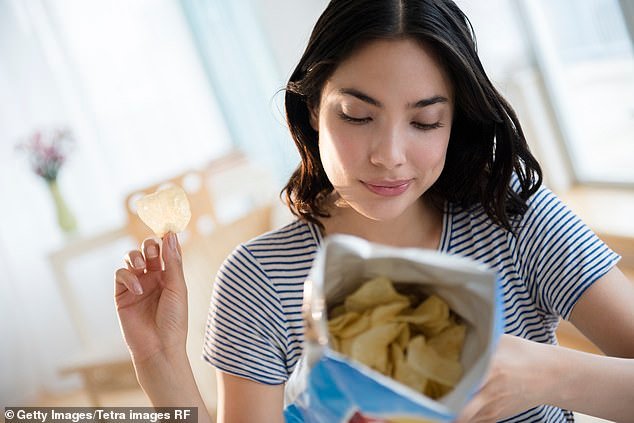
The Practical Equivalent: A 10% shift is roughly equal to adding just one standard packet of potato chips or one soft drink to your daily routine.
-
The “Healthy” Trap: This cognitive decline occurred regardless of whether the rest of the diet was healthy. Even those following a “Mediterranean” style diet suffered if they also included UPFs.
“Food ultra-processing often destroys the natural structure of food and introduces potentially harmful substances like artificial additives or processing chemicals,” says lead author Dr. Barbara Cardoso. “These additives suggest the link between diet and cognitive function extends beyond just missing out on healthy foods.”
🧪 Why Do UPFs Damage the Brain?
While the study was observational, scientists identified several biological “stressors” introduced during high-level industrial processing:
-
Structural Destruction: Processing breaks down the natural cellular structure of food, which may affect how nutrients are absorbed.
-
Acrylamide: A compound that forms in starchy foods (like chips and fries) during high-temperature cooking, which can damage neurons and blood vessels.
-
Industrial Chemicals: Phthalates and bisphenols can leach into food from packaging during processing, potentially triggering neuroinflammation.
-
Cerebrovascular Lesions: These chemicals may cause tiny areas of brain tissue damage by restricting blood supply, leading to a loss of focus and attention.
📊 Identifying Ultra-Processed Foods
With 53% of all calories consumed by U.S. adults now coming from UPFs, identifying them is the first step toward protection.
| Common UPF Sources | Whole Food Alternatives |
| Salty Snacks: Potato chips, crackers, pretzels | Raw nuts, seeds, or air-popped popcorn |
| Sweet Drinks: Sodas, sweetened fruit juices | Water, herbal tea, or whole fruit |
| Ready Meals: Frozen pizzas, “TV” dinners | Batch-cooked whole grains and proteins |
| Processed Meats: Deli meats, hot dogs, sausages | Fresh chicken, fish, or plant-based legumes |
🏛️ The 2026 Context: RFK Jr. and the “New Food Pyramid”
The Monash study arrives at a pivotal moment in American health policy. In January 2026, HHS Secretary Robert F. Kennedy Jr. and the FDA unveiled a historic “reset” of federal nutrition guidelines, designed to combat the chronic disease epidemic.
The “MAHA” (Make America Healthy Again) Shift:
-
The Pyramid Flip: The new 2026 FDA Food Pyramid now prioritizes high-quality proteins (meat, eggs, and dairy) and healthy fats (butter, tallow, and avocado) at the top, while refined carbohydrates have been relegated to a lower priority.
-
UPF Warning: For the first time, federal guidelines explicitly urge Americans to “significantly limit” the consumption of highly processed packaged foods and artificial additives.
-
Zero-Sugar Goal: The new guidance recommends zero added sugars for children, identifying it as a primary driver of childhood metabolic issues.
💡 The Takeaway
While the study did not find a direct link to immediate memory loss, researchers warn that attention span is the foundation for learning and problem-solving. By eroding your ability to focus today, a diet heavy in ultra-processed snacks may be setting the stage for a dementia diagnosis tomorrow.
Are you trying to cut back on processed snacks, or are you more focused on navigating the new protein-heavy FDA guidelines?
