

📝 The 60-Second Breakthrough: NHS Immunotherapy Goes “Rapid”
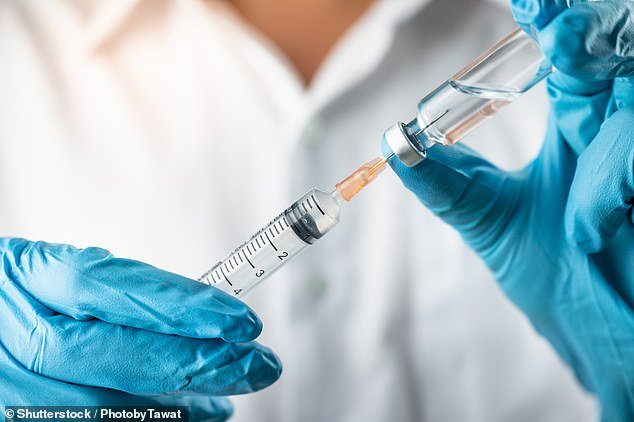
The NHS is officially rolling out a revolutionary injectable form of immunotherapy that treats over a dozen different cancers in as little as 60 seconds. This move is expected to transform the lives of roughly 14,000 patients in England every year, slashing treatment times by a staggering 90%.
The drug, pembrolizumab (brand name Keytruda), was previously administered via an intravenous (IV) infusion that could take up to two hours per session. The new “jab” is a subcutaneous injection delivered into the fatty tissue of the abdomen or thigh.
Which Cancers are Eligible?
The rapid jab is approved for 14 different types of cancer, including:
-
Lung Cancer
-
Breast Cancer
-
Head and Neck Cancers
-
Cervical Cancer

🧬 How It Works: “Unmasking” the Disease
Pembrolizumab is a form of immunotherapy. Unlike traditional chemotherapy, which attacks all fast-growing cells, this drug “teaches” the body to fight back.
-
The Target: It blocks a protein called PD-1.
-
The Mechanism: PD-1 usually acts as a “brake” on the immune system. Cancer cells often hijack this protein to hide from immune responses.
-
The Result: By blocking the “brake,” the drug allows the immune system to recognize and aggressively attack the cancer cells.
⏱️ The Impact on NHS Capacity
With a diagnosis made in the UK every 75 seconds, the NHS is currently facing a capacity crisis. Last year, over 106,000 patients waited more than 62 days for urgent treatment.
| Feature | Old Method (IV Infusion) | New Method (Injection) |
| Treatment Time | Up to 120 Minutes | 1 to 2 Minutes |
| Frequency | Every 3 to 6 weeks | Every 3 to 6 weeks |
| Location | Infusion Unit Chair | General Treatment Room |
| System Benefit | High resource/staff time | Frees up clinical appointments |
Health Secretary Wes Streeting noted that this rollout is a core part of the National Cancer Plan, which aims to meet all existing cancer targets by March 2028 through innovation and the use of a “robotic revolution” to boost survival rates.
⚠️ Side Effects & Considerations
While the rapid administration is a triumph of convenience, the underlying medicine remains a powerful metabolic therapy. Side effects occur regardless of whether the drug is injected or given via IV.
Common Side Effects:
-
Hypothyroidism: A drop in thyroid hormones can lead to fatigue, weight gain, and depression. Patients may require lifelong hormone replacement therapy.
-
Breathlessness: Often caused by a drop in red blood cell counts.
-
Fluid Build-up: General swelling or edema.
Rare but Serious Risks: In rare cases, the immune system can become overactive and attack healthy organs, leading to:
-
Encephalitis (brain inflammation)
-
Pancreatitis
-
Myocarditis (heart inflammation)
💡 The Takeaway
For patients like 89-year-old Shirley Xerxes, the first to receive the jab, the benefit is measured in hours reclaimed. “I was only in the chair for a matter of minutes instead of an hour or more,” she shared. “It gives me more time to live my life, including spending more time gardening.”
By making “every penny and every second count,” the NHS is betting that this 60-second solution will be a vital tool in bringing down the UK’s daunting cancer backlog.
Are you or a loved one currently navigating a cancer treatment plan? This shift to injections could significantly change your hospital schedule—is this a move you’ve been waiting for?
