

The 4 Unconventional (But Proven) Tricks to Help You Fall Asleep Faster Tonight
We all know the countless health benefits of getting a full eight hours of sleep, but for many of us, achieving it feels impossible.
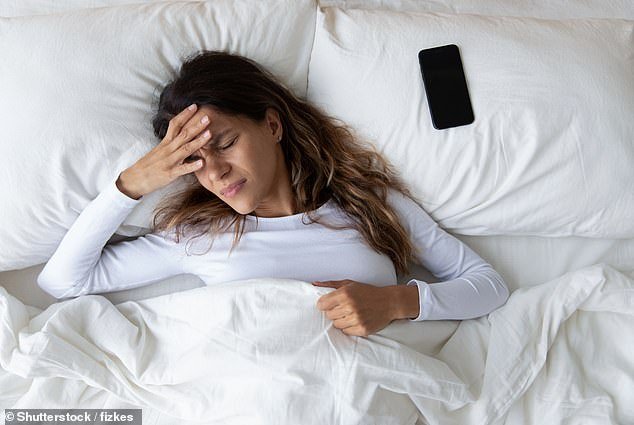
In the UK alone, nearly half of adults regularly struggle to fall asleep, generating an average of 135,000 Google searches for “how to fall asleep” every single month. Whether it’s racing thoughts, dread over an early alarm, or generalized anxiety, staring at the ceiling at 3:00 AM while feeling completely exhausted is a uniquely frustrating form of torture.
Concerningly, poor sleep is linked to a swathe of serious illnesses, including dementia, and it disrupts the brain’s glymphatic system—the vital pathway that clears metabolic waste from the brain while we rest.
If you’ve already ditched caffeine, bought blue-light glasses, and tried meditating to no avail, it might be time to try a different approach. According to sleep experts like Dr. Deborah Lee, there are highly effective, somewhat bizarre ways to trick your brain into falling asleep faster—and none of them involve counting sheep.
1. Use Reverse Psychology: Tell Yourself to Stay Awake
When you are desperate for sleep, trying to force it only makes things worse. This is where Dr. Lee recommends a counterintuitive approach known clinically as paradoxical intention.
“By telling yourself to sleep constantly, it’ll drive stress and anger around the fact that you’re not falling asleep,” Dr. Lee explains. “However, by doing the complete opposite, and telling yourself to stay awake, it’ll help you drift off a bit quicker.”
How to do it: Lie in the dark with your eyes open and repeatedly tell yourself, “Do not fall asleep. I must stay awake.” Why it works: Used to treat anxiety disorders since the 1930s, this technique short-circuits the “performance anxiety” surrounding sleep. By removing the pressure to fall asleep, you stop the release of stress hormones, allowing your eye muscles to tire out naturally.

2. Master the “4-7-8” Breathing Technique
Pioneered by sleep expert Dr. Andrew Weil, this specific breathing rhythm is designed to act as a natural tranquilizer for your nervous system.
How to do it:
-
Press the tip of your tongue gently against the roof of your mouth, just behind your upper front teeth.
-
Inhale quietly through your nose for a count of 4.
-
Hold your breath for a count of 7.
-
Exhale completely through your mouth, making a whoosh sound, for a count of 8.
Why it works: This rhythm forces the lungs to fill to maximum capacity, delivering more oxygen to the body and physically forcing the heart rate to slow down. Dr. Weil notes that this is not a one-time magic trick; it requires religious consistency. Repeating this cycle twice a day trains your brain to recognize it as a biological signal that it is safe to shut down and sleep.
(Bonus tip: Dr. Lee also suggests trying “Left Nostril Breathing.” Lie on your side, block your right nostril with your finger, and breathe exclusively through your left nostril to lower blood pressure and calm the body).
3. Take a Warm Shower Exactly 90 Minutes Before Bed
If your brain needs deep sleep to properly clear out waste build-up, manipulating your body temperature is the key to triggering that deep sleep phase.
Lisa Artis, a sleep expert at the Sleep Charity, points to a University of Texas review which found that taking a warm bath or shower one to two hours before bed helps people fall asleep faster and improves overall sleep quality.
Why it works: The heat from the water draws blood to the surface of your skin. When you step out of the shower and into your cooler bedroom, your core body temperature rapidly drops. This sudden drop in core temperature is the exact biological signal the brain needs to initiate deep sleep.
4. Review Your Day in Reverse (Or Write a To-Do List)
Counting sheep is often too boring to effectively distract an anxious, racing mind. You need a mental task that requires just enough focus to block out stressful thoughts, but not so much that it keeps you alert.
Option A: The Reverse Recall “Take yourself through the day, but not just in any order—in reverse,” suggests Dr. Lee. “Keep it detailed. Start from what you watched on TV before bed and go back through the day, taking you right back to when you first woke up.” Recalling exactly what you had for lunch or what music you listened to on your commute requires a specific type of mental focus that crowds out anxiety.
Option B: The Hyper-Specific To-Do List If anxiety about the future is keeping you awake, write it down. Research published in the Journal of Experimental Psychology found that writing a highly specific to-do list for the next five days helps people fall asleep around 10 minutes faster than those who simply journal about their day. Offloading your future tasks onto paper tells your brain that it no longer needs to actively “hold” onto that information, allowing it to finally relax.
