


From Concrete to Canopy: Why Your Balcony Is the Secret Weapon Against Urban Pollution
In the modern “concrete jungle,” the humble balcony is often relegated to a storage spot for bikes or a place to dry laundry. However, a groundbreaking new study suggests that these small outdoor slivers could be the key to cleaner lungs and a cooler home.
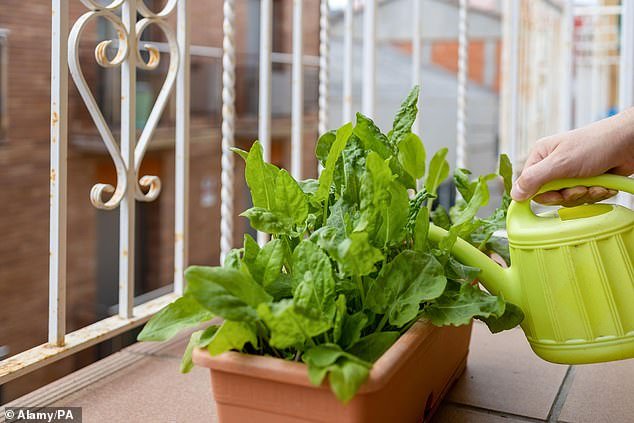
According to researchers at the University of Manchester, turning your balcony into a lush, green oasis isn’t just a win for your Instagram feed—it’s a powerful health intervention. By filling your space with climbing foliage and potted plants, you can create a biological filter that captures harmful toxins before they ever enter your living room.
The Pollution Shield: Filtering PM10 Particles
The primary focus of the study, published in Urban Forestry & Urban Greening, was PM10—microscopic particulate matter from traffic and industry that can be inhaled deep into the lungs.
The data revealed a staggering difference between “living” and “bare” balconies:
-
Consistency: Pollution levels were lower 98 percent of the time on balconies filled with plants compared to those left empty.
-
Safety Thresholds: On bare balconies, air pollution exceeded World Health Organization (WHO) safety limits 16 percent of the time. On greened balconies, that figure plummeted to just 2 percent.

Air Quality Comparison: Bare vs. Green Balconies
| Pollutant / Metric | Bare Balcony Performance | Green Balcony Performance |
| PM10 Levels | High (Exceeded WHO limits 16% of time) | Low (Exceeded WHO limits 2% of time) |
| Nitrogen Dioxide | Standard Urban Levels | Slightly Lower |
| Ozone | Standard Urban Levels | Slightly Lower |
| Temperature | Absorbs/Radiates Heat | Natural Cooling/Shade |
A “Hyde Park” Sized Opportunity
Perhaps the most surprising finding was the sheer scale of unused urban space. Researchers calculated that the total surface area of balconies in our cities is roughly equivalent to the size of London’s Hyde Park.
Despite this massive potential for “vertical forests,” the study found that 95.5 percent of balconies currently have nothing visible growing on them. Most residents are sitting on a health-boosting resource without even realizing it.
“Balconies offer important opportunities for urban residents to connect with nature as well as a range of other benefits for health and wellbeing,” says Dr. Andy Speak, the study’s lead author. “The collective benefit is particularly important—the mental health boost of viewing a green balcony can be enjoyed by neighbors and visitors alike.”
Beyond Air Quality: The Cooling and Mental Health Boost
While the pollution-scrubbing power of plants is the headline, the study highlighted several “side effects” of balcony gardening that improve urban life:
-
Natural Air Conditioning: Plants transpire water and provide shade, significantly lowering the ambient temperature of your balcony and the adjacent room during scorching summer months.
-
The “Green View” Benefit: Simply looking at greenery is clinically proven to lower cortisol levels and reduce stress.
-
Community Impact: A street filled with green balconies creates a “micro-climate” that benefits the entire neighborhood, not just the individual gardener.
What Should You Plant?
You don’t need a green thumb to start your own pollution filter. The Manchester researchers identified 152 different plant species successfully thriving on urban balconies. If you’re looking to start your own mini-garden, consider these expert-approved picks:
-
For Beauty & Pollinators: Petunias, begonias, and nasturtiums.
-
For Height & Privacy: Clematis and other climbing vines.
-
For Edible Greenery: Tomatoes and strawberries (which thrive in pots).
The Bottom Line: As urban density increases, the air we breathe becomes a growing concern. This study proves that we don’t need massive parks to make a difference; a few well-placed pots on your balcony could be the simplest way to protect your heart, your lungs, and your peace of mind.
