

⚠️ The Hidden Risks: Cancer and Heart Disease
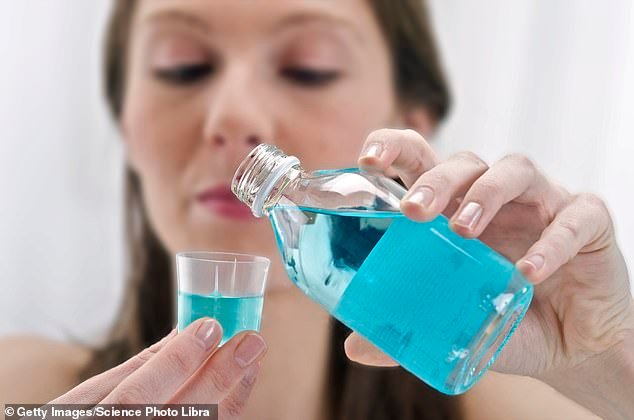
The most alarming part of recent expert testimony involves the chemical makeup of popular rinses.
-
The Carcinogen Link: Many mouthwashes contain up to 27% alcohol. Professor David Conway of the University of Glasgow warns that alcohol is a known carcinogen linked to cancers of the mouth, throat, and larynx, particularly for those using it more than three times a day.
-
The Heart Disease Connection: Antiseptics like chlorhexidine (found in specialized gum-health rinses) and cetylpyridinium chloride don’t just kill “bad” bacteria. They also wipe out “good” bacteria responsible for converting nitrates into nitric oxide—a gas the body uses to regulate blood pressure and cardiovascular health.
-
The “Air Freshener” Fallacy: Using mouthwash to mask bad breath (halitosis) is often like “blasting a room with air freshener” to hide a smell without finding the source. If the cause is gum disease or decay, the mouthwash is merely masking a symptom while the underlying infection worsens.

🦷 The “Fluoride Trap”: You’re Using It at the Wrong Time
The most common mistake people make is using mouthwash immediately after brushing.
-
Toothpaste is Superior: Toothpaste is designed to foam and adhere to the teeth, leaving a concentrated layer of fluoride on the enamel.
-
The Wash-Away: If you rinse with mouthwash right after brushing, you are essentially washing away the high-quality fluoride from your toothpaste and replacing it with a much weaker solution.
-
The Gold Standard: Dentists now recommend that you spit out excess toothpaste but do not rinse with water or mouthwash. Keep that toothpaste fluoride in your mouth for as long as possible.
When should you use it? If you choose to use mouthwash, do it at a completely separate time—such as after lunch—to provide a midday fluoride boost without disrupting your morning or evening brushing.

🍏 Natural Alternatives for Fresh Breath
If the goal is simply to keep your breath fresh and your mouth clean, researchers suggest several evidence-based alternatives:
-
Hydration: Dehydration leads to lower saliva production and higher levels of sulfur compounds (the cause of “foul breath”). Staying hydrated is the simplest way to “wash” your mouth.
-
Xylitol Gum: Chewing sugar-free gum, especially those with xylitol, stimulates saliva and has been proven to reduce bad breath compounds.
-
Crunchy Foods: Apples, carrots, and celery act as “nature’s toothbrushes,” physically cleaning the teeth and stimulating saliva as you chew.
-
Green Tea: Contains natural compounds that reduce the levels of sulfur-producing bacteria.
💡 Takeaway: Is It Necessary?
For the vast majority of healthy adults, mouthwash is not a requirement for good oral hygiene. It has a role as a short-term treatment for specific conditions (like oral thrush or mouth ulcers) or as a midday supplement for those at high risk of decay, but it should never be a substitute for twice-daily brushing.
Are you looking to simplify your daily hygiene routine, or are you specifically interested in the science behind how oral bacteria affects your overall heart health?
