


The MV Hondius Crisis: Is the Hantavirus Outbreak a Looming Global Threat?
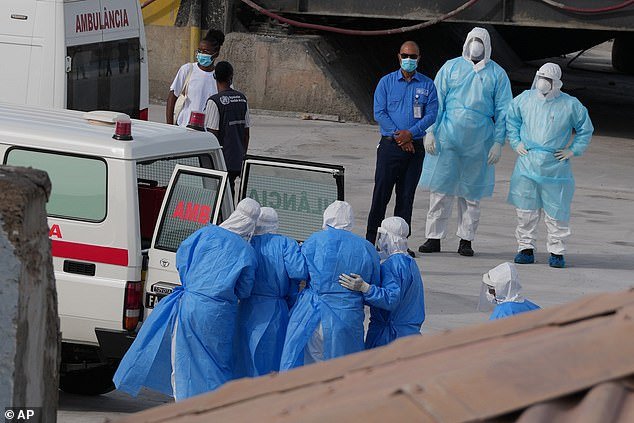
For many observers, the recent news cycle has evoked a chilling sense of déjà vu. The sight of medical personnel in full-body hazmat suits airlifting critically ill patients from the luxury cruise ship MV Hondius earlier this week feels like a direct throwback to the most harrowing chapters of the COVID-19 pandemic.
As of early May 2026, the outbreak—which originated on the vessel in April—has been linked to eight cases of hantavirus. Among these, five have been laboratory-confirmed, three remain suspected, and tragically, three individuals have already succumbed to the illness.
The reach of the virus has extended beyond the ship’s hull. Nine former passengers are currently under strict home quarantine across six U.S. states: Arizona, California, Georgia, New Jersey, Texas, and Virginia. The situation took a more concerning turn recently with reports of a Spanish woman being hospitalized. She had reportedly sat just two rows behind a passenger who later died, sparking fears regarding the virus’s ability to spread in confined spaces like aircraft.

Despite these alarming developments, global health experts are moving quickly to calibrate the public’s fear, emphasizing that while the virus is deadly, its “explosive” potential remains significantly lower than that of respiratory giants like the flu or SARS-CoV-2.

Assessing the Pandemic Potential: CDC Level 3 Response
In response to the escalating situation, the CDC has officially classified the MV Hondius outbreak as a “Level 3” emergency. While this is the lowest tier of emergency classification, it has triggered the activation of Emergency Operation Centers and the reassignment of specialized epidemiologists to manage the containment.
However, the consensus among top-tier infectious disease specialists is one of guarded optimism regarding global spread. Dr. Todd Ellerin, an infectious disease expert at Harvard University, suggests that while the mortality rate is intimidating, the virus is a “poor spreader.”
“The world does not have to be worried, but the people on the cruise ship or those who were recently on it should be taking extra care,” Ellerin noted. “This isn’t like COVID; it doesn’t move through a population with the same ease.”
The “Andes” Factor: Why This Strain is Different
Most hantaviruses are “dead-end” infections in humans, typically contracted by inhaling dust contaminated with the urine or droppings of infected rodents. However, the Andes virus (ANDV) identified in this specific outbreak is the “black sheep” of the hantavirus family.
Dr. Piet Maes, President-elect of the Hantavirus Society, explains that ANDV is unique because it is the only strain where limited person-to-person transmission has been documented. This usually occurs after prolonged, intimate contact with someone in the early symptomatic phase.
Dr. Raymond Alvarez, formerly of the Icahn School of Medicine at Mount Sinai, reinforces this: “Andes hantavirus does not spread through casual contact. You aren’t going to catch this by walking past someone in a grocery store.”
Clinical Severity: The Danger of Hantavirus Pulmonary Syndrome (HPS)
The reason for the high level of concern among medical professionals is the clinical progression of the disease. While many hantavirus infections result in only mild, flu-like symptoms, a significant portion of patients progress to Hantavirus Pulmonary Syndrome (HPS).
HPS is a catastrophic condition where the lungs rapidly fill with fluid. This leads to:
-
Severe respiratory distress.
-
Dangerously low blood pressure (shock).
-
Complete heart and lung failure.
The CDC maintains a sobering statistic: approximately 38% of patients who reach the respiratory phase of HPS will die. The virus made headlines earlier this year following the death of Betsy Arakawa, wife of the legendary actor Gene Hackman, at their home in New Mexico. While Hackman himself passed away shortly after, his death was attributed to unrelated age-related causes.
Containment and Quarantine Measures
To prevent the virus from gaining a foothold on land, authorities have opted for a “controlled evacuation” strategy. A specialized CDC team has been tasked with moving the remaining Americans from the ship to the National Quarantine Unit in Nebraska, a high-security federal facility.
International protocols vary slightly; the UK and Spain are currently utilizing a 45-day monitoring period for anyone potentially exposed. Experts agree that keeping symptomatic patients on a ship is a recipe for disaster, as they require advanced ICU-level care that a cruise ship infirmary simply cannot provide.
A potential Dutch patient leaves the aircraft after three medical evacuees from the cruise ship MV Hondius arrived at Schiphol-East airport in Schiphol, Netherlands, on Wednesday

Public Safety: Do We Need Masks and Social Distancing?
At this stage, health agencies are not advising the general public to return to masking or social distancing. The primary risk remains tied to:
-
Direct contact with infected rodents (specifically in dusty, enclosed spaces).
-
Prolonged, close-range exposure to a symptomatic person (as may have occurred on the MV Hondius or potentially the flight to Spain).
Dr. Katherine O’Reilly of International SOS advises that the most effective prevention is avoiding the disturbance of rodent-infested areas. “Sweeping or vacuuming dry debris in areas where rodents live can aerosolize the virus, making it easy to inhale,” she warns.

When to Seek Help
If you have recently traveled in areas associated with the outbreak or have had contact with a known case, be vigilant for the following “red flag” symptoms:
-
Sudden high fever and chills.
-
Severe muscle aches (especially in the thighs, hips, and back).
-
Shortness of breath or a feeling of “tightness” in the chest.
-
Gastrointestinal distress (nausea/vomiting).
If these symptoms appear following a potential exposure, medical attention should be sought immediately, and the healthcare provider must be informed of the specific hantavirus risk to ensure proper isolation and treatment protocols are followed.
