

🌾 The Core Issue: “Pre-Harvest” Spraying
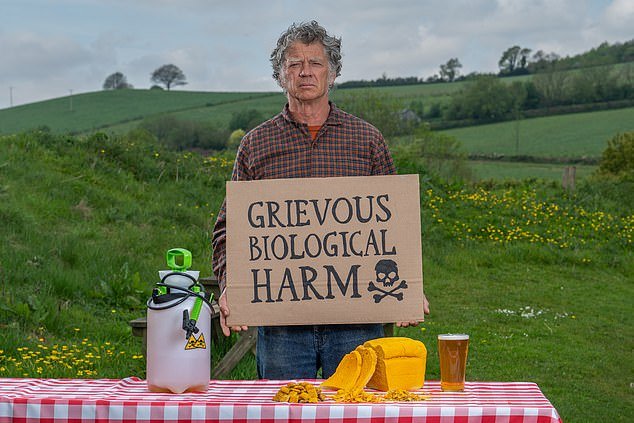
Campaigners and environmental groups—including the Soil Association, Greenpeace, and the Wildlife Trusts—are urging the UK Government to ban glyphosate, a highly effective but controversial weedkiller.
The primary outrage stems from how the chemical is used. Rather than just clearing weeds, it is sprayed directly onto cereal crops (like wheat and oats) as a desiccant just days before harvest. This process kills the plant, drying it out quickly to make cutting and collection easier, but it significantly increases the likelihood that chemical residues end up in the food supply.

📊 By the Numbers: Glyphosate in the UK
The use of this herbicide has surged over the last few decades, leading to measurable residues in everyday British food staples.
-
1,000% Increase: The spike in glyphosate usage since the 1990s, according to the Pesticide Action Network.
-
41% of Cereals: The percentage of UK cereal crops tested between 2016 and 2023 that contained traces of the chemical.
-
28% of UK Bread: The percentage of bread samples tested in 2024 that contained glyphosate residues.
-
86% of Britons: The proportion of the public concerned about the long-term health harms of pesticides (with 66% expressing direct “outrage” over glyphosate’s use in the food system).

🌍 Global Context and Health Concerns
The safety of glyphosate has been the subject of fierce global debate and extensive litigation.
“No-one wants a chemical linked to cancer in their sandwiches or breakfast cereal.” > — Cathy Cliff, Campaigns Co-ordinator, Soil Association
-
The WHO Classification: In 2015, the World Health Organization classified glyphosate as “probably carcinogenic” to humans.
-
US Litigation: The chemical has been the subject of over 17,000 lawsuits in the United States from individuals alleging it caused their cancer and other health issues.
-
The Seattle Symposium: In March, a global group of experts urged regulatory agencies worldwide to treat the chemical as hazardous and act immediately to limit or eliminate its use to protect public health.
🏛️ The Political Horizon: EU Trade Negotiations
While the UK currently permits glyphosate, changes may be on the horizon due to post-Brexit trade mechanics.
The Department for Environment, Food and Rural Affairs (Defra) is currently negotiating a sanitary and phytosanitary (SPS) agreement with the EU to make trade “easier, cheaper and more predictable.” British farmers have already been warned to prepare for changes regarding maximum pesticide residue levels.
Environmental groups are seizing this moment, publishing an open letter to Defra arguing that phasing out pre-harvest glyphosate would not only protect public health and nature but also seamlessly align the UK with stricter European standards to facilitate smoother trade.
