


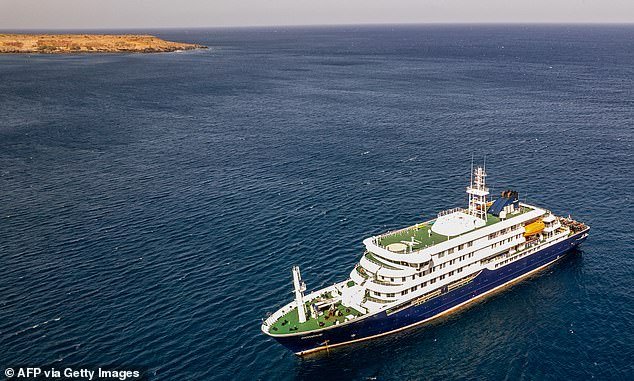
The Nightmare Scenario at Sea: Inside the Hantavirus Outbreak Aboard the MV Hondius
It is the absolute worst-case scenario for any cruise ship passenger or operator. Currently stranded in the Atlantic Ocean off the coast of the Cape Verde islands, the MV Hondius is battling a suspected outbreak of hantavirus—a deadly pathogen that kills roughly 40% of those who contract it.
To date, the suspected outbreak has claimed the lives of three passengers and left two crew members seriously ill and awaiting urgent medical evacuation.
The Threat of Hantavirus at Sea
According to the US Centers for Disease Control (CDC), hantaviruses are primarily spread by rodents through contact with their urine, droppings, and saliva. Symptoms can range from a mild flu-like illness to severe respiratory distress and major internal bleeding.
The MV Hondius, operated by the Dutch company Oceanwide Expeditions, is a small expedition ship typically used for Arctic and Antarctic voyages. There are currently 149 passengers on board (including 19 Britons), alongside 57 crew members and 13 expert guides. Because of its small size, there is very little opportunity for passengers to distance themselves from those who might be infected, making the close confines a source of extreme anxiety.
To halt the spread, strict precautionary measures are in place. Passengers have been instructed to remain isolated in their cabins with minimal crew contact.

How Do Cruise Ships Handle Medical Emergencies?
While an outbreak of this severity is terrifying, falling ill on a standard cruise ship often results in faster medical care than waiting to see a GP on land.
Under rules established by the American College of Emergency Physicians and the Cruise Lines International Association (CLIA), all ocean-going cruise ships worldwide must have emergency-trained medical staff on call 24/7. (Note: The MV Hondius is not a CLIA member, though it still carries medical personnel).
Standard Onboard Medical Facilities:
-
Minor Surgery: Most ships can handle stitches, draining abscesses, and removing cysts.
-
Diagnostics: Larger ships possess fully equipped laboratories capable of running blood counts, diagnosing liver and kidney issues, and checking for cardiac or metabolic emergencies.
-
Hospital Beds: Mid-to-large vessels usually contain small hospital wards (up to six beds).
On the MV Hondius, however, resources are incredibly strained. The ship reportedly operates with just one doctor, likely assisted by two nurses, who are currently managing two crew members suffering from acute respiratory failure.
The Grim Reality: What Happens When Someone Dies at Sea?
While rare, it is estimated that around 200 people die on cruise ships every year, primarily from strokes, heart attacks, or traumatic falls. To manage these tragedies, cruise lines utilize specialized protocols.
-
Secret Codes: To avoid panicking passengers, crew members use coded announcements over the PA system. One major company uses “Operation Bright Star” for a medical emergency and “Operation Rising Star” for a death. Ambassador Cruises uses the code “Alpha.”
-
The Onboard Morgue: By law, all cruise ships possess a morgue, typically large enough to store up to five bodies. On a small ship like the MV Hondius, this facility is considerably smaller.
During the current outbreak, the first death occurred on April 11, but the man’s body could not be brought ashore to St. Helena until 23 days later. Tragically, his wife disembarked with his body but died herself three days later. A third passenger, a German national who died on May 2, currently remains in the ship’s morgue as the vessel awaits permission to dock.

Lessons from the Past
The cruise industry is hyper-vigilant regarding viral spread, largely due to the infamous Diamond Princess disaster in early 2020. During that 29-night voyage, a massive COVID-19 outbreak resulted in 712 confirmed cases and 14 deaths, earning it the grim moniker of the “corona plague ship.”
In response to the MV Hondius situation, a CLIA spokesperson stated: “We are aware of reports regarding cases of Hantavirus associated with a recent voyage on a non-member cruise line. Our thoughts are with those affected. CLIA-member cruise lines are required to adhere to comprehensive health, safety, and medical policies designed to detect, prevent, and mitigate illness.”
