


📝 Cervical Cancer Eradication: A Tale of Two Worlds
A landmark modelling study published in The Lancet has revealed that high-income countries, including the UK, are on track to eliminate cervical cancer as a public health threat by 2048.
While this marks a historic victory for modern medicine, the report carries a sobering warning: the gap between wealthy and poor nations is widening. Without urgent global intervention, women in low- and middle-income countries will continue to suffer from this almost entirely preventable disease for another century.
The Inequality Gap in Numbers
The study highlights that cervical cancer can be reduced by more than 90% globally through a combination of vaccination and screening. However, “unequitable global distribution” remains the primary hurdle.
-
The WHO “90-70-90” Goal: To achieve global elimination, the World Health Organization aims to:
-
Vaccinate 90% of girls against HPV.
-
Screen 70% of women twice in their lifetime.
-
Treat 90% of identified pre-cancer and cancer cases.
-
-
The Impact: Meeting these targets could avert 37 million cases over the next 100 years.

High-income countries are on track to eliminate cervical cancer by 2048, a study has found

Understanding the Path to Cancer: From HPV to CIN3
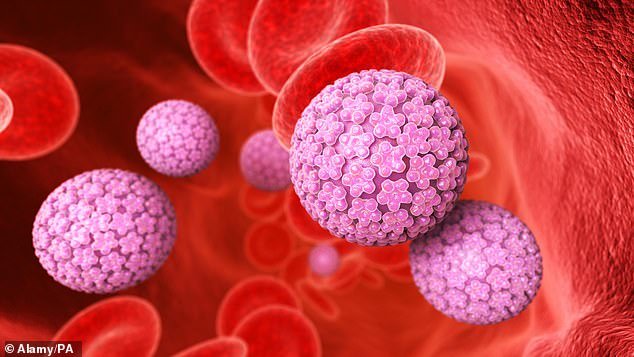
Nearly all cervical cancers (99.7%) are caused by high-risk strains of the Human Papillomavirus (HPV). While most people’s bodies clear the virus naturally, persistent infections can lead to abnormal cell growth known as pre-cancer.
| Stage | Classification | Severity | Progression Risk |
| CIN1 | Mild Dysplasia | Low | Often clears on its own. |
| CIN2 | Moderate Dysplasia | Medium | Requires monitoring or treatment. |
| CIN3 | Severe Dysplasia | High | 33% chance of cancer in 10 years; 50% in 30 years. |
Note: The majority of CIN3 cases are driven by a specific, aggressive strain known as HPV16.
The UK Success Story: The “Jade Goody Effect” and Beyond
In the UK, mortality rates have plummeted by 80% since the 1950s. NHS England has set an even more ambitious target than the global average, aiming to eliminate cervical cancer by 2040.
Key Drivers of Success:
-
The Vaccine: Offered to year 8 girls since 2008 and boys since 2019. It has been credited with virtually eradicating the disease among the vaccinated generation.
-
The Jade Goody Legacy: The public battle of Big Brother star Jade Goody, who died in 2009 at age 27, led to a massive surge in screening uptake—a phenomenon known as the “Jade Goody effect.”
-
Routine Screening: Smear tests are the frontline defense. Women aged 25–49 are invited every three years, while those aged 50–64 are invited every five years.
Expert Tip: Screening is especially vital for women aged 34 and older, as most did not receive the HPV vaccine in school and remain at higher risk.

Cervical cancer symptoms to look out for include unusual vaginal bleeding, pain during sex and lower back or pelvic pain

⚠️ Red Flags: Symptoms You Should Not Ignore
Cervical cancer often develops slowly, making early detection through screening essential. However, you should contact your GP immediately if you experience:
-
Unusual Vaginal Bleeding: Including bleeding between periods, after sex, or after menopause.
-
Changes to Discharge: Any changes in texture, color, or smell.
-
Pain During Intercourse: Pain that occurs specifically during or after sex.
-
Pelvic Pain: Persistent pain in the lower back, between the hip bones, or in the lower tummy.
The Roadmap to 2048
The authors of the study argue that elimination is “feasible worldwide” thanks to recent innovations, such as single-dose vaccines and lower-cost screening tools. However, they stress that without a coordinated global effort to share these resources, the “unacceptable inequality” between nations will only grow.
