


🧂 The Great Salt Debate: Essential Mineral vs. Dietary Villain
While salt is often cast as a dietary villain, it is biologically essential. Sodium chloride is critical for maintaining blood pressure, enabling nerve function, and regulating fluid balance. However, the modern “Western” diet—dominated by ultra-processed foods (UPFs)—has pushed consumption to dangerous levels.
📊 Salt Consumption: Guidelines vs. Reality (2026 Data)
The discrepancy between what our bodies need and what we actually eat is stark. While one teaspoon (6g) contains roughly 2,325mg of sodium—over 100% of the daily value—most adults are far exceeding these limits.
| Group | Recommended Max (Daily) | Average Current Intake (Daily) |
| UK Adults (NHS) | 6g salt | 8.4g salt (40% over) |
| US Adults (CDC) | 2,300mg sodium | 3,400mg sodium |
| US Men | 2,300mg sodium | 4,240mg sodium |
| US Women | 2,300mg sodium | 2,980mg sodium |

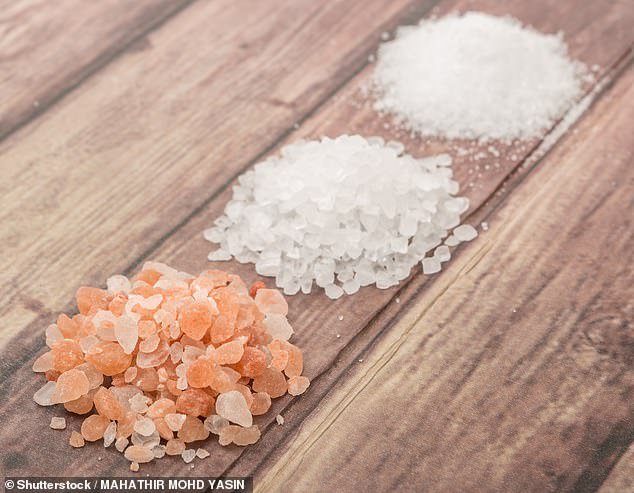
Pink salt can brighten up a tablescape, but is it better for you than the white stuff?
🌍 Demographic and Racial Disparities in Sodium Impact
Research indicates that salt doesn’t affect everyone equally. “Salt sensitivity”—the degree to which blood pressure rises with sodium intake—varies significantly by racial and ethnic background.
1. Salt Sensitivity and Hypertension Rates
-
Black Americans: Have significantly higher rates of salt sensitivity. Studies show approximately 73% of hypertensive Black adults are salt-sensitive, compared to 55% of White adults. This contributes to higher hypertension rates (57% in Black adults vs. 48% in White adults).
-
South Asian Communities: In the UK, South Asian adults are 33% more likely to die prematurely from heart disease. Over 90% of individuals from Indian, Bangladeshi, and Pakistani backgrounds report adding salt during home cooking, where it is a primary dietary source rather than UPFs.
2. Average Intake by Ethnicity (US Statistics)
According to NHANES data, mean daily sodium intake remains high across all major ethnic groups:
-
Non-Hispanic White: ~3,470 mg/day
-
Hispanic/Latino: ~3,370 mg/day
-
Non-Hispanic Black: ~3,300 mg/day

Turkish restaurateur Nusret Gökçe, aka Salt Bae, earned global fame with his sprinkling skills
💎 Pink, Sea, or Table: Which Salt is Actually Better?
Despite the marketing of “premium” salts, cardiologists warn that the sodium burden remains the same.
-
Table Salt: Heavily refined rock salt. Stripped of trace minerals but often fortified with Iodine, which supports thyroid health.
-
Himalayan Pink Salt: Contains trace amounts of over 80 minerals (calcium, potassium, iron). While “natural,” these minerals are present in such small quantities that they provide negligible nutritional value compared to a balanced diet.
-
Maldon/Sea Salt: Harvested via evaporation. Preferred by chefs for texture, but contains the same sodium chloride levels that drive hypertension.

Freshly harvested sea salt from Anglesea, Wales
🔄 The Exception: Who Might Actually Need More Salt?
While the general population is advised to cut back, a “vocal minority” of researchers, such as Dr. James DiNicolantonio, argue that certain groups should actually increase their intake to maintain blood volume and circulation:
-
Athletes & Heavy Sweaters: Intense exercise can lead to significant sodium loss through perspiration.
-
Low-Carb/Keto Dieters: Lower insulin levels cause the kidneys to excrete sodium more rapidly.
-
POTS Patients: Those with Postural Orthostatic Tachycardia Syndrome often require high salt and fluid intake to support blood pressure while standing.
-
Caffeine Users: Because caffeine is a diuretic, it can trigger frequent urination and subsequent sodium loss.

Fish and chips is one of the saltiest British dishes
⚠️ Red Flags: The Dangers of Hidden Sodium
Roughly 75% of our salt intake comes from hidden sources in ultra-processed foods rather than the salt shaker.
Top Hidden Sources:
Bread and Rolls: Often the #1 source of sodium in the UK/US diet.
Breakfast Cereals: Many “healthy” cereals contain more salt than a packet of crisps.
Condiments: Soy sauce, salad dressings, and ketchup are concentrated sodium sources.
The Verdict: If you cook from scratch using whole foods, adding salt for flavor is generally beneficial. However, if your diet relies on ready meals and fast food, your cardiovascular risk is significantly elevated.
Are you monitoring your intake for a specific health goal, or just curious about the hidden salt in your favorite snacks?
