

The UK’s Largest Product Liability Case: J&J Talc Lawsuit Explained
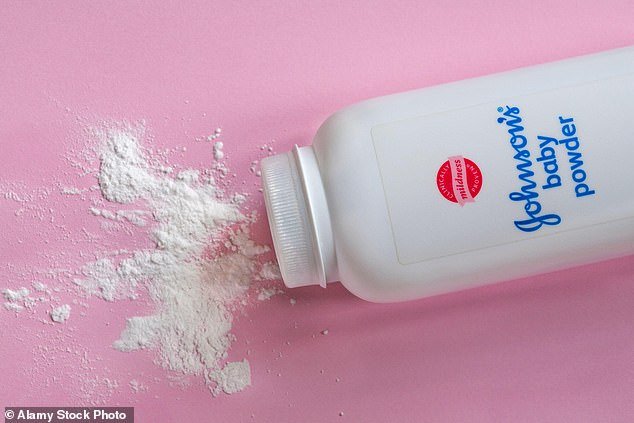
A historic legal battle is unfolding in the UK High Court as more than 7,100 cancer patients and their families bring a massive group litigation claim against pharmaceutical giant Johnson & Johnson (J&J). The claimants allege that the company’s iconic baby powder was contaminated with asbestos, leading to terminal cancer diagnoses.
According to KP Law, the legal firm representing the claimants, the human cost of the delays in the case is staggering, with one claimant dying every three days.
⚖️ The Core Allegations
The foundation of the lawsuit rests on what J&J allegedly knew about their supply chain and when they knew it.
-
The 1960 Timeline: Claimants allege that J&J was aware as early as 1960 that the talc used in their baby powder contained asbestos—a known, highly toxic carcinogen.
-
Failure to Warn: The lawsuit claims that despite the severe risks (and the rarity of asbestos-free talc mines), J&J continued to market the powder as a symbol of safety and failed to issue any warning labels to consumers.
-
The Illnesses: All 7,111 claimants or their deceased family members developed either ovarian cancer or mesothelioma (a rare, aggressive cancer of the organ lining exclusively linked to asbestos exposure).

📉 The Human Toll: Stalling Tactics?
The sheer scale of the tragedy is highlighted by cases like Margaret Manion, who used the powder on herself and her children for decades. She joined the claim in 2024 after an ovarian cancer diagnosis but has since passed away.
KP Law argues that J&J’s legal strategy—which involves demanding information that is “tantamount to a full witness statement from each claimant”—is a stalling tactic designed to slow proceedings while the plaintiffs literally die waiting for their day in court.
🛡️ Johnson & Johnson’s Defense
J&J fiercely denies all allegations that it knowingly sold contaminated products or concealed risks from the public. (The company ceased selling talc-based baby powder in the UK in 2023).
-
Product Safety: The company maintains that its baby powder was always of “high-quality cosmetic grade, compliant with required regulatory standards and did not contain asbestos and does not cause cancer.”
-
Legal Demands: J&J’s legal team calls the accusation that they are stalling “wrong, unjustified and unhelpful,” arguing that their requests for detailed patient histories are “reasonable and fair” and not intended to stifle the claims.
🧬 The Medical Link: How Can Talc Cause Cancer?
Talc is a naturally occurring mineral mined from the earth. However, talc deposits are often located geographically close to asbestos deposits in the ground, making cross-contamination a severe risk during the mining process.
If talcum powder contains microscopic asbestos fibers, the biological consequences can be devastating:
-
Inhalation: Breathing in the powder can trap asbestos fibers in the lungs, leading to mesothelioma over several decades.
-
Reproductive Tract: When used for feminine hygiene, the asbestos-contaminated particles can travel up the reproductive tract into the ovaries.
-
Inflammation to Cancer: Once embedded in the ovarian tissue, the toxic fibers cause chronic inflammation, which can eventually mutate into ovarian cancer.
The Statistics: Studies cited in the proceedings indicate that women who used talc regularly for personal hygiene had a 36% higher risk of developing ovarian cancer. The World Health Organization (WHO) currently classifies asbestos-contaminated talc as potentially carcinogenic to humans.
The High Court is currently deciding whether to grant a group litigation order, which would allow all 7,111 cases to be heard together. Given the complexity, the overall case is expected to take years to conclude.
