

A new once-a-day blood pressure pill could dramatically cut the risk of deadly strokes in people who have already suffered a brain bleed, a major trial has found.
Researchers said the treatment slashed the chances of another stroke by as much as 40 per cent in high-risk patients with a history of haemorrhagic stroke – when a weakened blood vessel ruptures and bleeds into the brain.
The tablet, called GMRx2, combines three long-established blood pressure medicines into a single pill, making it easier for patients to stick to treatment and keep their readings under control.
Experts hailed the findings as a potential breakthrough in the fight against cardiovascular disease – the umbrella term for conditions affecting the heart and blood vessels, which causes more than a quarter of all deaths in the UK.
Previous research has shown combination pills can outperform standard treatment because patients are far more likely to remember one tablet a day than several separate medicines.
Missing doses can allow blood pressure to creep up again, sharply increasing the risk of stroke or heart attack.
The UK-led team behind the latest study said they hope regulators will approve GMRx2 so it can be offered to NHS patients recovering from stroke.
Professor Craig Anderson, a neurologist at The George Institute and one of the study authors, said: ‘Our results have the potential to mark a real shift in how we manage blood pressure following a stroke.’

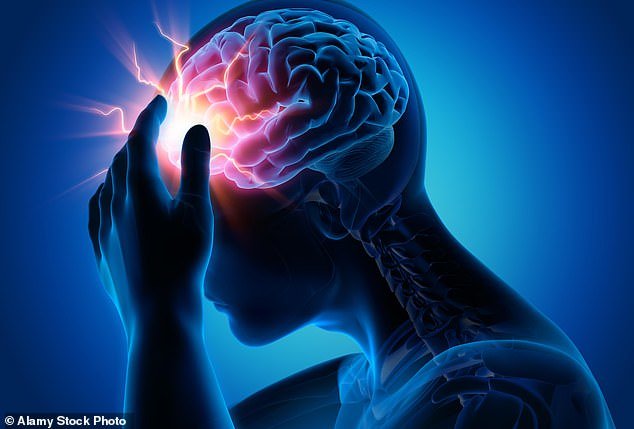
Strokes occurs when blood supply to the brain is cut off, either by a blood clot or a burst blood vessel
A stroke happens when blood supply to part of the brain is cut off, either by a blood clot or a burst blood vessel.
Experts said a simple pill that improves adherence could save thousands of lives by preventing repeat strokes – which are often more disabling and more deadly than a first attack.
Around 100,000 people in the UK suffer a stroke every year, while cardiovascular disease is linked to roughly 175,000 deaths annually. In the US, almost one million deaths a year are tied to heart and circulatory disease.
Many of these conditions are driven by high blood pressure, also known as hypertension, which affects around 14 million adults in the UK and 120 million in the US. It develops when pressure inside the arteries stays too high for too long, gradually damaging and narrowing the vessels.
That makes hypertension the single biggest risk factor for stroke, as weakened arteries are more likely either to become blocked or burst.
Lifestyle changes such as regular exercise, weight loss, cutting back on alcohol and reducing salt intake can all help bring readings down. But millions also need medication to keep it controlled.
The NHS prescribes blood pressure tablets to more than 10 million patients in England and Wales, while an estimated 55 million Americans take similar drugs.
The new trial, called TRIDENT and published in The New England Journal of Medicine, recruited 1,670 stroke survivors who had suffered an intracerebral haemorrhage – a particularly dangerous type of stroke caused by a blood vessel bursting and bleeding into the brain.
All participants also had high blood pressure. Half were given GMRx2 – a single pill combining telmisartan, amlodipine and indapamide, three established medicines that lower blood pressure in different ways.
The other half received a placebo alongside standard care, including routine blood pressure treatment and advice on exercise, cutting back on alcohol and losing weight.
After three years, just over 4 per cent of patients taking GMRx2 had suffered another stroke, compared with 7 per cent in the placebo group. That amounts to a 39 per cent reduction in the risk of a repeat stroke.
Those given the combination pill were also around a third less likely to suffer a major cardiovascular event such as a heart attack or death linked to heart disease.
Researchers said the findings were especially significant because patients who survive this type of brain bleed face a heightened risk of another catastrophic event in the years that follow.
The trial is the latest to suggest combination tablets can be one of the most effective ways to control blood pressure and cut the risk of future illness. Last year, a study published by the American Heart Association found patients were more likely to consistently take one daily pill than several separate medicines.
Professor Jeyaraj Pandian, president of the World Stroke Organisation, said: ‘TRIDENT is a major advance in showing the enormous benefits of effective blood pressure control after an intracerebral haemorrhage’.
One of the most common warning signs of this type of stroke is a sudden, severe headache – often described as a thunderclap headache and sometimes said to be the worst pain imaginable. According to the Stroke Association, anyone who experiences one should call 999 immediately, even if it passes.
Other symptoms can include a stiff neck, nausea, vomiting, weakness, numbness, vision loss, facial drooping, arm weakness and slurred speech.
