


Heart attacks are fatal, and no one really knows when it will happen, but when it does, it’s vital that you know how to reverse it.
In Western Australia, a 44-year-old nurse saved himself from possible death caused by a heart attack. After feeling severe chest pain and dizziness while alone on-duty, the nurse, identified as Ryan Franks, managed to attach the leads of an electrocardiogram (ECG) machine to his chest and send the results to an emergency physician, Dr. Beatrice Scicchitano, through an Emergency Telehealth Service (ETS).
According to the report of The New England Journal of Medicine (NEJM), the result of the first ECG test showed complete heart block, right bundle-branch block, hyperacute T waves in the inferior leads, and reciprocal ST-segment depression in the anterolateral leads.
In other words, his heart was having difficulties in properly responding to nerve impulses, and other parts of his heart had trouble beating.
Fifty minutes after the result was read, Franks sent another ECG to the doctor which showed sinus tachycardia with 2 mm of inferior ST-segment elevation which meant the attack was getting worse.
With no other choice left, the emergency physician walked the nurse through – via video call – the steps to providing first-aid medication to a person who’s suffering from a heart attack. He gave himself shots of aspirin, blood thinners, painkillers, and tenecteplase – a clot-dissolving drug – after self-administering intravenous (IV) lines to his arms.
He was also able to attach defibrillator pads on himself to prepare himself for doses of adrenaline, atropine, and amiodarone to give his heart a jump start to beat back into rhythm. Hours later, the Australian’s Royal Flying Doctor Service came to his aid and airlifted him to a hospital in Perth.
The power of the elements: Discover Colloidal Silver Mouthwash with quality, natural ingredients like Sangre de Drago sap, black walnut hulls, menthol crystals and more. Zero artificial sweeteners, colors or alcohol. Learn more at the Health Ranger Store and help support this news site.
After running more tests, doctors found a severe blockage in his mid-right coronary artery which required him to undergo an operation. Forty-eight hours later, he was released from the hospital.
In a statement, the veteran nurse said, “My 20 years of emergency nursing helped me plan the steps in my treatment. I thrombolysed myself – I had to inject the clot-busting drug so the clot could clear and the blood flow could get to my heart.”
Furthermore, Franks expressed his gratefulness for the invention of the ETS, saying, if not for the technology’s immediacy, his condition could have gone worse. Following the event of Franks’ heart attack, the ETS announced that their services will now be offered 24/7.
Meanwhile, although experts from the NEJM commended the 44-year-old nurse for his efficiency in saving his own life, they reminded the general population not to do it at home. They added that in the event of an attack of any health condition, and there is an option to bring the patient to a hospital, bring him/her immediately.
Know when you have a heart attack
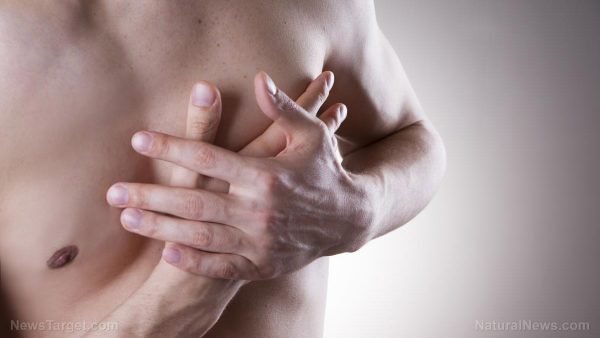
It’s always best to be aware of the signs and symptoms of any health condition to prepare ourselves for the worst. Heart attacks, although lethal, don’t always happen at such a high intensity and could sometimes occur mildly. Here are three of the most common signs of a heart attack you should know:
- Severe chest pain
- Pain in the left upper arm, neck and/or jaw
- Sweating and dizziness
Once you’ve determined you’re having an attack, immediately call for help. Try to naturally thin out blood clot by consuming turmeric, garlic or cayenne, and most importantly, remain calm until help arrives.
Learn how to properly take care of your heart by following Heart today.
Sources included:
LiveScience
WW2.Health.WA.gov.au
Heart.org
