

“`html
Side-Sleeping: A Powerful Intervention for Sleep Apnoea
Encouraging individuals to adopt side-sleeping positions may represent the most powerful intervention for obstructive sleep apnoea—a serious breathing disorder during sleep that carries potentially fatal health risks.
This disorder develops when throat muscles collapse during sleep, obstructing normal breathing pathways. Approximately three-quarters of those affected experience positional sleep apnoea, meaning their symptoms worsen specifically when lying supine.
New Research Shows Lasting Benefits
Recent research demonstrates that employing specialized positional therapy equipment to maintain lateral sleeping positions offers sustained therapeutic benefits for this disorder, which elevates cardiovascular disease and cerebrovascular accident risk.
These results were unveiled at last week’s 2026 American Thoracic Society International Conference. Scientists discovered the intervention produces lasting patient improvements that persist beyond the active treatment phase.
Long-Term Success Rates
Following a six-month period utilizing positional devices, over two-thirds of participants maintained side-sleeping habits and managed their sleep apnoea without ongoing intervention. These benefits endured through the one-year follow-up assessment.
Commercial positional devices currently exist on the market—including vibrating belts that activate when users shift onto their backs, encouraging repositioning, or specially designed vests incorporating a posterior ball.

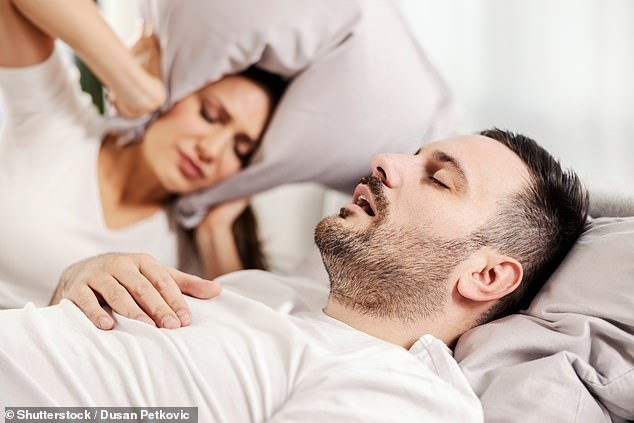
Obstructive sleep apnoea is a severe snoring condition that can have deadly complications. The condition occurs when the walls of the throat relax during sleep, blocking the airways. (Stock image)
An Alternative to CPAP Therapy
No pharmaceutical treatment currently holds approval for sleep apnoea management, leading physicians to frequently recommend continuous positive airway pressure (CPAP)—a device delivering pressurized air via a nighttime mask to maintain open airways.
However, up to fifty percent of individuals find sustained CPAP mask usage challenging due to comfort issues. Medical professionals suggest these recent discoveries could offer a straightforward alternative for such patients.
Expert Opinion
‘Our observations revealed positional therapy demonstrated effectiveness matching CPAP while achieving superior patient acceptance,’ stated Dr. Irene Cano-Pumarega, director of the sleep medicine department at Madrid’s Ramon y Cajal Hospital and research team member.
“`
