

A nutrient deficiency affecting one in five people in the UK could increase the risk of dementia and accelerate the onset of symptoms, new research suggests.
Iron deficiency anaemia – a common condition where a lack of iron in the body causes low red blood cell production – has long been linked to a number health problems, including fatigue, headaches and memory issues.
In severe cases, untreated anaemia can even lead to heart disease and kidney failure.
Now, researchers from Stockholm University have discovered another concerning condition linked to iron deficiency: dementia.
Low iron reserves, they found, can reduce the brain’s resilience to the disease, increasing the risk of developing it, and hastening symptoms – particularly in men.
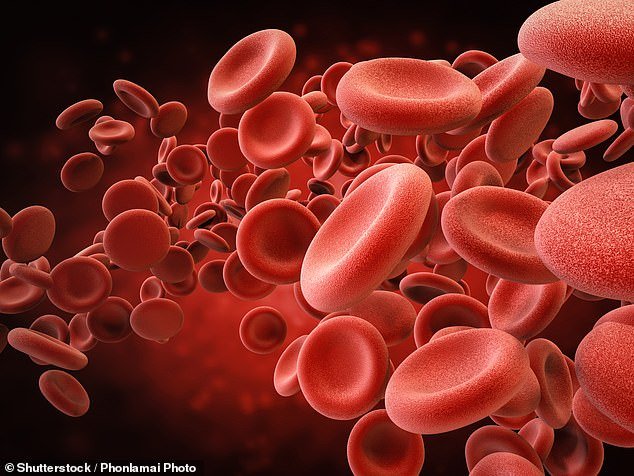
More than 10 million Britons are estimated to have some level of anaemia, which occurs when blood lacks the resources needed to carry an adequate amount of oxygen around the body, causing paleness, shortness of breath and heart palpitations.
Whilst iron deficiency anemia can be caused by a lack of iron in the diet, heavy periods and pregnancy are also very common causes in women.
The new paper – published in the journal JAMA Neurology – followed 2,282 cognitively healthy adults aged 60 and over for around 9 years, tracking how changes in iron levels influenced their Alzheimer’s risk.

Without iron, the body can’t make enough haemoglobin, the protein in the blood responsible for carrying oxygen around the body. Iron is also necessary to maintain a healthy immune system
Blood samples collected at the beginning of the study were analysed for levels of tau, a protein which accumulates and tangles in the brain.
Significant clumps of this toxic protein can form plaques in the brain – and is thought to be behind the symptoms of Alzheimer’s.
Blood samples were also tested for haemoglobin levels, a protein in red blood cells that carrier oxygen around the body and gives blood its red colour, which is used to diagnose anaemia.
Men and women with anaemia were 66 per cent more likely to develop the memory-robbing disease than those with normal haemoglobin levels, researchers found.
Low haemoglobin was also associated with higher levels of p-tau217 – believed to be the most specific blood marker for Alzheimer’s.
Interestingly, the researchers noted, anaemia was associated with higher dementia risk in men than women, despite more women being affected by iron deficiency anaemia.
They suggested this could reflect a sex-specific vulnerability to low haemoglobin levels.
‘While females tend to have lower haemoglobin levels and higher anaemia prevalence in early life, due to reproductive factors, anaemia in males is less common, occurs later and is frequently driven by chronic disease, inflammation, or nutritional deficiencies,’ they wrote.
‘Females’ generally lower baseline haemoglobin levels might confer greater tolerance to anaemia, buffering its impact on brain health.’
The researchers concluded: ‘Our findings suggest anemia is a clinically relevant factor in the context of dementia risk and is possible a modifiable target in dementia prevention strategies.’
The latest figures suggest around two billion people now have iron deficiency, with 1.2 billion suffering from iron-deficiency anaemia worldwide, primarily driven by poor diet.
In the UK alone, it is estimated that three per cent of men and eight per cent of women have the condition, with more than 57,000 people admitted to hospital every year due to anaemia.
The majority of cases are preventable, however, say experts. For many, a daily iron supplement – costing just 10p a pill – can sufficiently boost levels.
Eating more dark leafy vegetables, like kale, cereals fortified with extra iron and red meat can also help boost iron levels.
Lifestyle and environmental factors, meanwhile, can also significantly influence dementia risk.
Smoking, poor cardiovascular health and social isolation are all known to increase the likelihood of developing the memory robbing condition.
Alzheimer’s is the most common form of dementia, affecting up to 75 per cent of those diagnosed with the condition.
Early symptoms typically include memory problems, difficulties with thinking and reasoning, and language issues, which worsen over time.
However, experts believe that around 45 per cent of dementia cases may be preventable – or at least delayed – through lifestyle interventions and improved screening.
